Durable & Reliable Roofing Solutions for Businesses
Your commercial building’s roof is a critical investment that protects your property, employees, and customers. At 720 Roofing, we provide high-quality commercial roofing services in Denver and surrounding areas, ensuring long-lasting durability and energy efficiency for businesses of all sizes. Whether you need roof repairs, replacements, or routine maintenance, our expert team is here to deliver professional and cost-effective solutions.
- Commercial Roof Inspections & Maintenance
- Commercial Roof Repairs
- Commercial Roof Replacement & Installation
What Is Commercial Roofing?
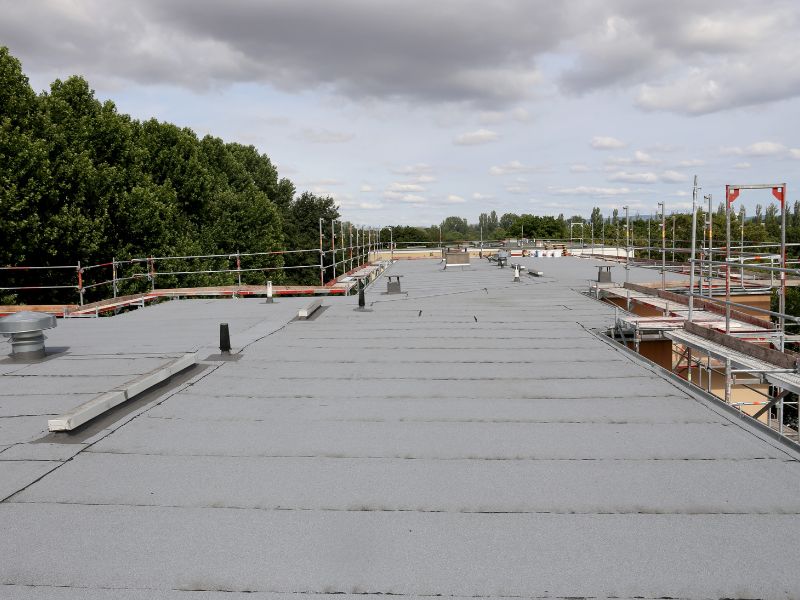
Commercial roofing refers to the design, installation, and maintenance of roofing systems on commercial properties. These roofs are built to withstand heavier loads, larger surface areas, and more extreme environmental conditions than the average residential roof. The right roofing system not only safeguards the building and its contents but also improves energy efficiency and complies with local building codes and industry standards.
Types of Commercial Roofing Systems
There are several common types of commercial roofing systems, each suited for different structures and budgets:
1. Built-Up Roofing (BUR)
Built-up roofing is one of the oldest and most reliable types. It consists of multiple layers of asphalt and fabric topped with a layer of gravel or cap sheet. It offers excellent protection and insulation but can be heavy and labor-intensive to install.
2. Modified Bitumen
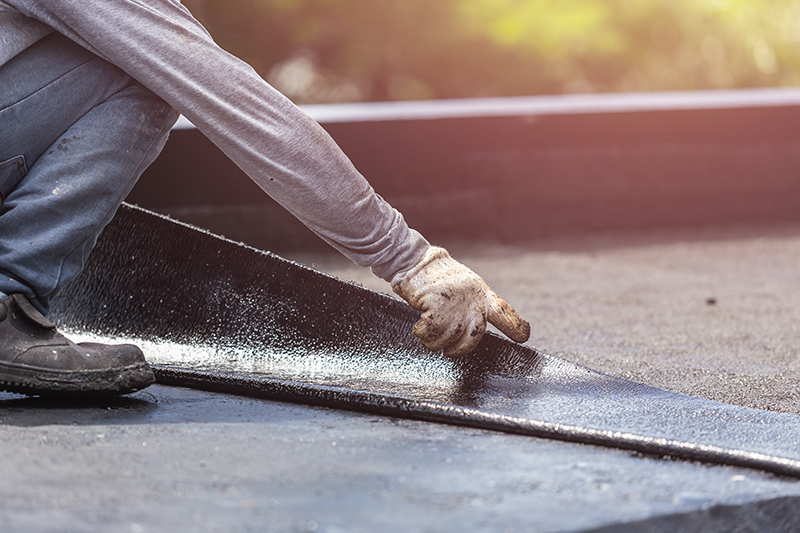
A cousin to BUR, modified bitumen roofing involves asphalt-based sheets reinforced with fiberglass or polyester. These are typically rolled onto the roof using heat or cold adhesives. Modified bitumen is flexible and holds up well in extreme temperatures.
3. Single-Ply Membranes (TPO, EPDM, PVC)
Single-ply systems are lightweight, durable, and cost-effective. Common materials include:
TPO (Thermoplastic Polyolefin): Popular for its energy efficiency and white reflective surface.
EPDM (Ethylene Propylene Diene Monomer): A black rubber membrane that is extremely durable and weather-resistant.
PVC (Polyvinyl Chloride): Offers high chemical resistance and is ideal for restaurants and facilities with ventilation exhausts.
4. Metal Roofing
Metal roofing is known for its longevity (40+ years), fire resistance, and modern look. It can be made from steel, aluminum, or copper and is ideal for sloped commercial structures.
5. Green Roofs
Also known as living roofs, these systems incorporate vegetation and soil layers on top of waterproof membranes. They improve insulation, reduce urban heat islands, and offer environmental benefits—but require more intensive maintenance and structural support.
Key Considerations in Commercial Roofing
Roof Slope
Most commercial roofs are low-slope or flat, which affects drainage and maintenance needs. Proper slope design prevents water ponding, which can lead to leaks or structural damage.
Durability and Weather Resistance
Depending on your region, your roof may need to withstand heavy rain, snow, high winds, or UV exposure. The choice of material should reflect these environmental factors.
Energy Efficiency
Cool roofing options—like white TPO or reflective coatings—can significantly reduce energy costs by lowering the building’s internal temperature.
Installation and Maintenance
Installation must be done by trained professionals to ensure compliance with manufacturer warranties and safety codes. Regular maintenance—like inspections, cleaning, and minor repairs—helps prevent costly replacements down the line.
Why Routine Maintenance Matters
Neglect is one of the top causes of premature roof failure. Scheduling semi-annual inspections and post-storm checkups allows you to catch problems early. Common maintenance tasks include:
Clearing debris from drains and gutters
Checking seams and flashing for signs of wear
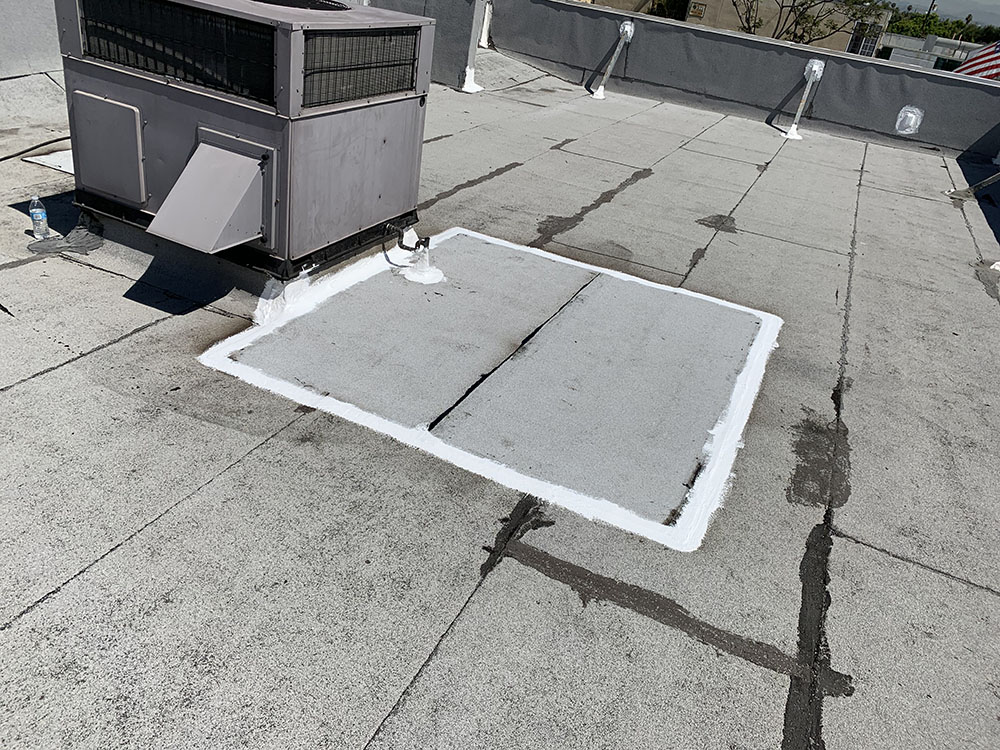
Sealing cracks or punctures in the membrane
Ensuring rooftop equipment is properly sealed
A proactive maintenance plan extends the lifespan of your roof and minimizes business disruptions due to leaks or emergency repairs.
Choosing the Right Commercial Roofing Contractor
Not all roofing companies are created equal. For commercial projects, you’ll want a contractor with:
Experience in large-scale and low-slope roofing systems
Proper licensing and insurance
Manufacturer certifications
A strong portfolio and client references
Transparent estimates and warranties
Working with a trusted, local contractor like 720 Roofing ensures your roof is installed correctly.