Insurance

Hassle-Free Insurance Claim Assistance

Helping Homeowners Navigate Roof Insurance Claims

Has your roof been damaged by a storm, hail, or wind? 

Dealing with insurance claims can be stressful, but 720 Roofing makes the process simple and hassle-free. As trusted roofing experts in Denver, we assist homeowners and business owners by working directly with their insurance companies to ensure they get the coverage they deserve for roof repairs and replacements.

From damage inspections to meeting with insurance adjusters, we guide you through every step of the claim process—so you don’t have to navigate it alone.

What is hail damage?

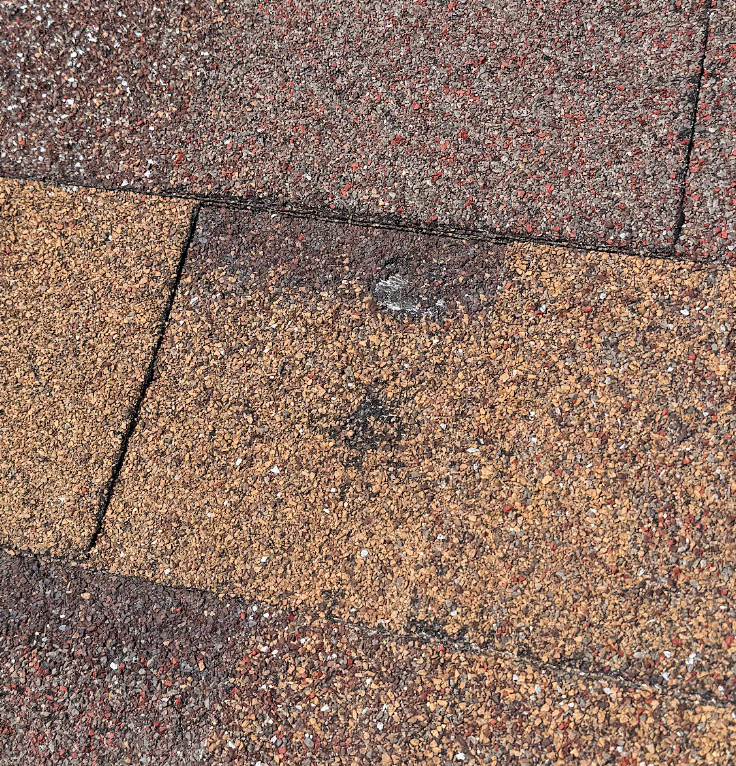
Your house was hit with large hail, but the next day you don’t see any leaks so everything must be ok, right?  Not necessarily.  When large hail stones, typically 1.5″ or bigger, hit your roof, they can explode off the top layer of granules on your shingles and expose the layer of black asphalt underneath. 

Now that the asphalt is exposed to sunlight and UV radiation, over the course of a year or two it will blister and create a hole where water can penetrate to the layers underneath.   It’s important to repair or replace your roof during this time in order to prevent having to do any other costly repairs to insulation or drywall later. 

When is my roof considered "totaled"?

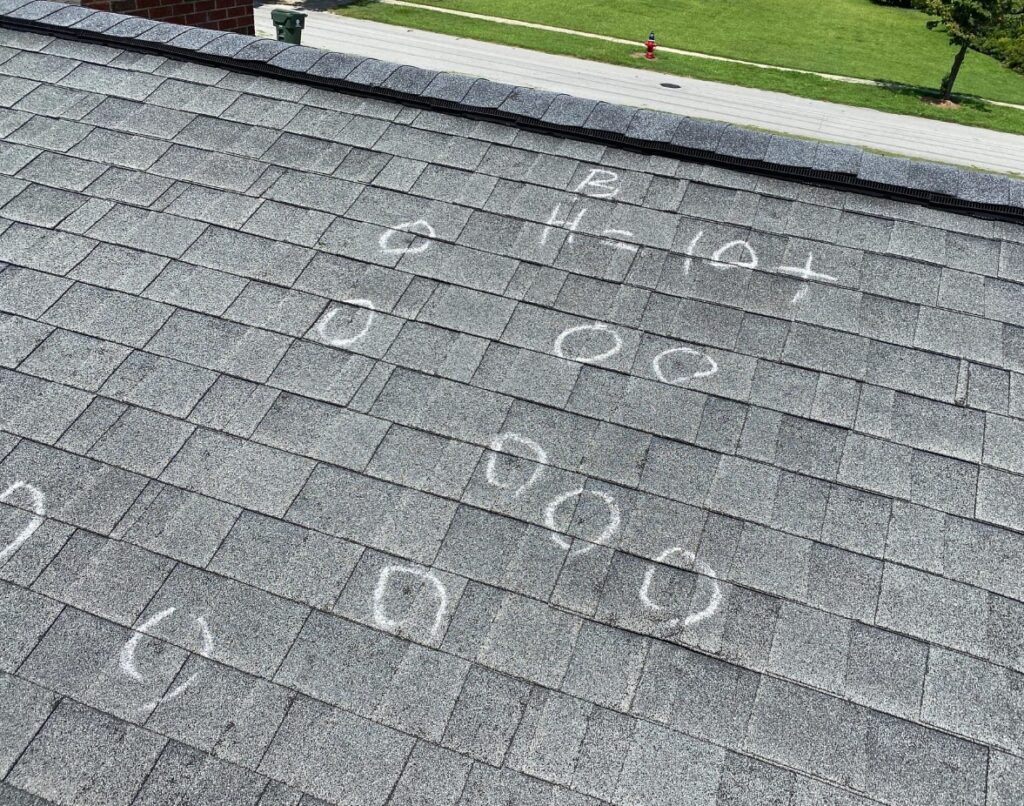
Every insurance company is slightly different, but most will consider your roof to be a total loss if there are 10 hail impacts in a 10′ by 10′ section, also called a “square” by roofers. 

After an insurance adjuster does an inspection, you will likely notice chalk marks all over your roof as they measure each slope and vent. 

Most building departments in the Denver metro will also have rules that say you can not just replace one slope or side of a roof, and that in order to be code compliant the whole roof will need to be replaced. 

Who do I call first, a roofer or insurance?

Most of the time, if you call your insurance company first they will ask if a professional roofer has done an inspection. Insurance companies know that roofers will do a free inspection, so they wait to spend money on sending out their own adjuster until after roofer recommends filing a claim.  While most roofers are biased in assessing damage, but if there is no damage they don’t want to waste their time arguing with an insurance company. 

Will filing a claim raise my insurance premium?

Some less than trustworthy roofers will tell you “no” because insurance companies know you can’t control the weather.  The reality is that it’s more complicated. Insurance companies take everything into consideration.  If your neighborhood was hit by hail, you can likely expect to see your premium go up whether you file a claim or not. 

How does the insurance process work?

After an insurance adjuster does an inspection, they will create an initial estimate. More often than not, the estimate will be missing quite a few items. This is not to say that they are trying to lowball the homeowner, they just aren’t experts in roof construction or local building code changes.

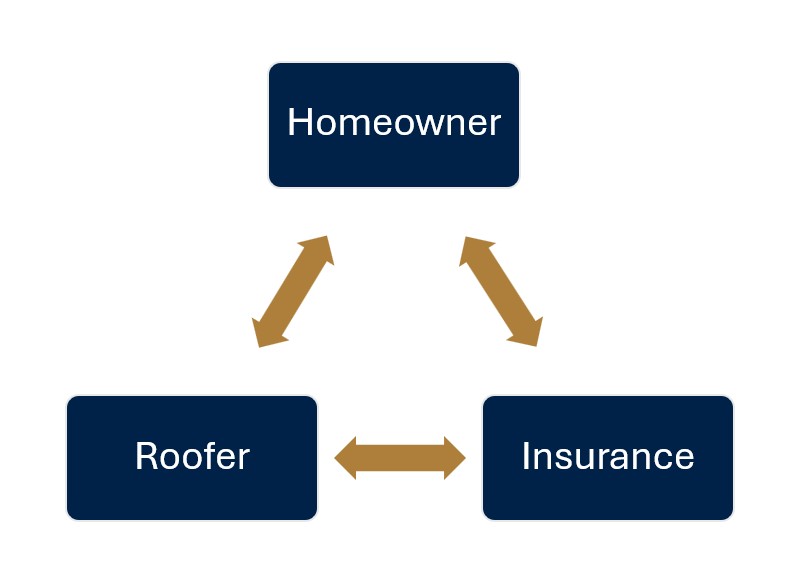
720 Roofing will work directly with your insurance to get the estimate updated for everything that was missed on their first draft.  We even use the same software as insurance companies.  It is not uncommon to see an estimate go from $15,000 to $20,000 or more after everything is accounted for. 

In the end, you should always only be responsible for your deductible. Never work with a roofing company that tries to upcharge you for anything that insurance does not approve!


What happens if my insurance and roofer completely disagree?

This used to be very rare, however is becoming more and more common with specific insurance companies.  The industry standard is to use a third party called Xactimate for fair pricing on items like materials and labor, so that insurance companies and construction companies don’t get stuck arguing over the price of a nail.  Some insurance companies have gone away from the Xactimate industry standard, or even a rare adjuster can be just become unreasonable.  When this happens, the homeowner can normally choose to go to appraisal, where the homeowner and insurance companies each choose a neutral third party appraiser to represent them. The appraisers make their cases to someone called an “Umpire” in order to make the final, binding decisions.